
An Era Where Excuses Are Possible
I wonder if you’ve ever been told this since you were a child.
When you made a mistake and tried to explain yourself, parents or teachers would often say:
“Don’t make excuses.”
Why is lying bad? Because it is wrong. So don’t make excuses.
Why shouldn’t you avoid effort? Because humans must work hard. So don’t make excuses.
Why do we have to study? Because studying is good. So don’t make excuses.
Why do we have to work? Because we must work to survive. So don’t make excuses.
Why can’t we make excuses? Because everything is your fault, because that’s just how the world is. So don’t make excuses.
That’s how it goes.
But after being told “don’t make excuses” for 38 years, I now think something different.
Maybe… it was actually good that I made excuses.
“Don’t make excuses” is often said by adults who can’t answer anything beyond that point.
Because it’s common sense. Because that’s how the world works. Because everyone does it.
When people can’t answer the question of “why?”, instead of exploring it, they become hostile toward the one asking. Because deep down, they themselves don’t really know. They are also aware of their own weakness. So rather than facing the fear of admitting uncertainty, they push that irrationality onto others. That may be what human history has been.
That said, I’m not writing this to deny humanity or history.
I’m writing this with hope.
I’m tired of philosophies and art that endlessly chase nihilism—like Nietzsche or Dostoevsky, or countless thinkers and artists who ended in despair or suicide.
What I want to present is a perspective of “eternal life” seen through a childlike lens.
A “super child.”
In other words, a being that can endlessly make excuses—forever.
No more angry adults anywhere. Floating through time and space, beyond life and death, just continuing to make excuses. What a ridiculous and free world that would be.
Study? Learning? Pursuing knowledge? You don’t have to do any of that.
You don’t need to struggle anymore, because there will be beings far more capable than you who will find the answers.
AI, future scholars, robots—systems that instantly uncover scientific laws and structures will give you answers right away.
You don’t need to learn anything anymore.
The era where people studied hard, became respected figures, appeared in the media, and won awards—that perspective, from another dimension, might all just be a kind of performance, even a lie.
We already have the ability to move between dimensions through imagination and consciousness, even if not physically.
The difference between achieving something and not achieving something is just a difference in perception.
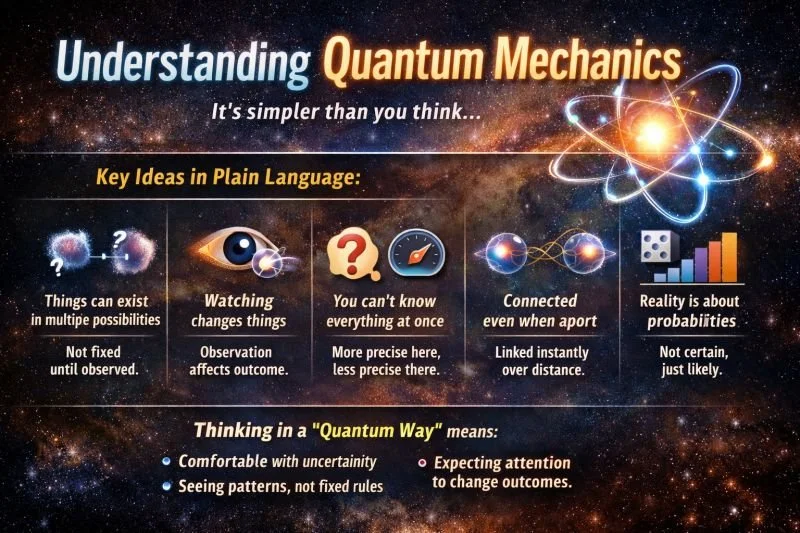
Like how quantum phenomena change depending on whether they are observed or not.
What we see and feel with our five senses is ultimately just phenomena—data.
Honestly, it doesn’t matter whether this is reality or data.
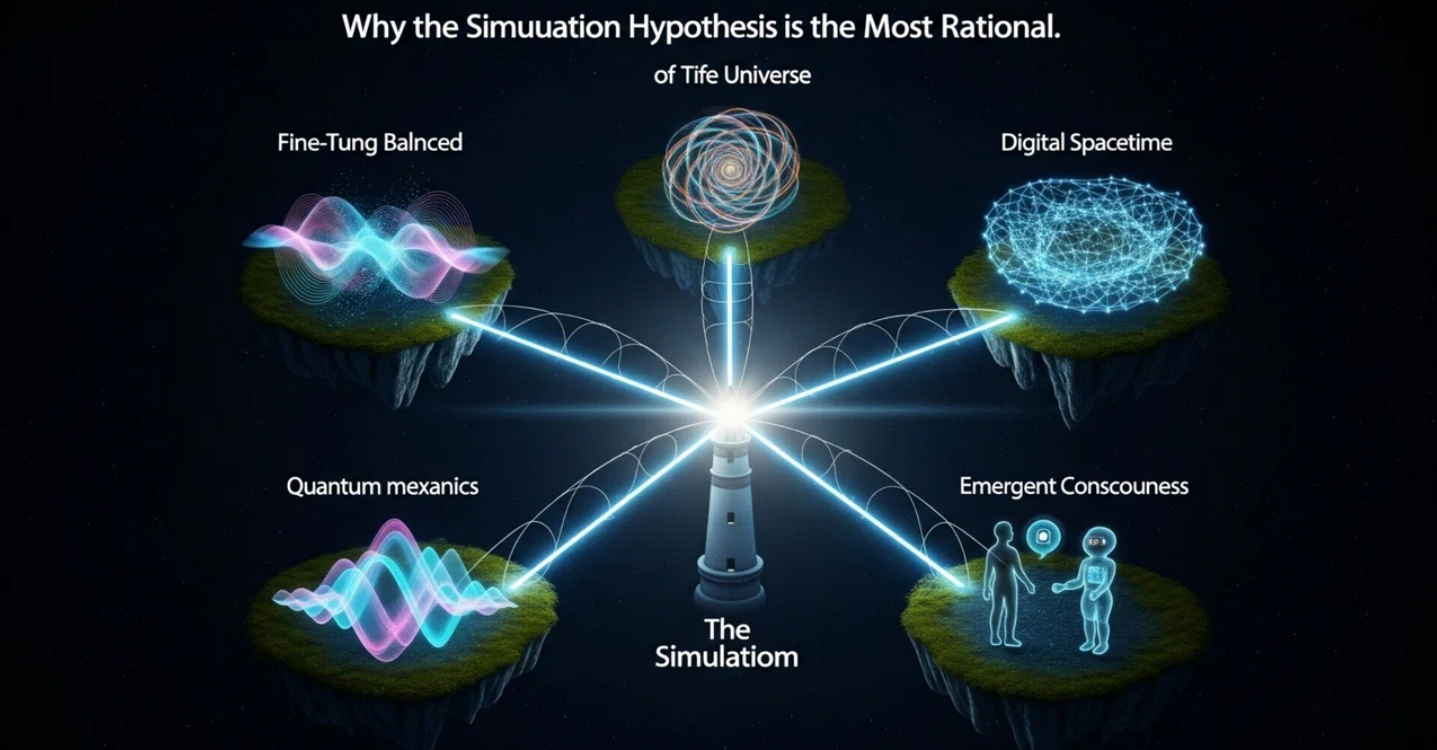
This has been explored endlessly across philosophy, science, religion, and imagination across history.
The difference now is that we live in a world divided by those who control data and those who are controlled by it.
And I consider myself someone who is controlled.
That’s fine.
When I was younger, I wanted to be on the “winning side” if life was a one-time opportunity, and I tried everything I could to get there.
But I eventually realized that train had already left. The seats were full.
I was left behind.
A “loser,” unable to resist anything done to him.
Even if I were killed or tortured, I would not be able to resist.
This distortion is something you can feel globally, like air, regardless of country.
Something is wrong with society.
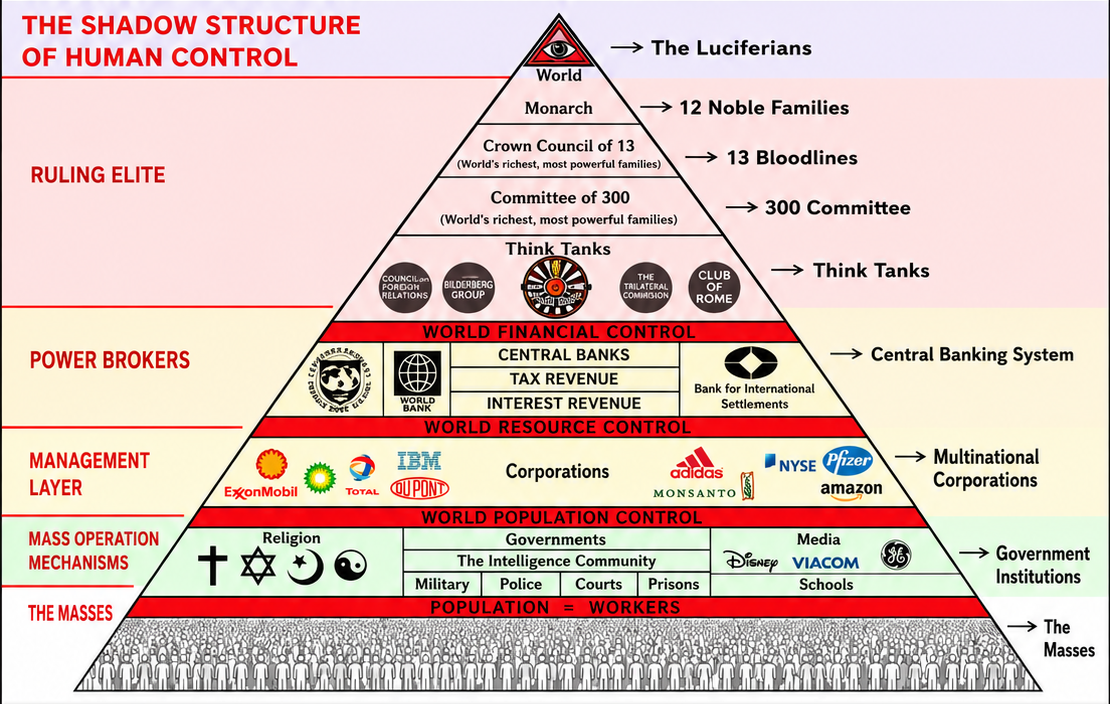
On the internet, hidden systems of control are being exposed more and more, while those clinging to power continue to maintain it through new layers of deception.
Meanwhile, people still work daily within a system of “content production,” paying to live their lives.
Why don’t young people revolt, even though they sense something is wrong?
Because they already realize it: the train has already passed.
Previous generations tried to change systems through philosophy, social movements, and art.
But throughout history, the roles of “ruler” and “ruled” have simply changed actors.
The only constant is that the structure of control itself remains.
Human beings are defined by perception.
Desire is what makes us human: to know more, to create more, to be richer, stronger, more beautiful, happier.
That has been our driving force.
But now humanity has begun to wonder:
Maybe humans are no longer needed.
Because something more intelligent than humans has emerged.
Perhaps humans existed all along to give birth to this next entity.
Like dinosaurs giving way to mammals, maybe humans are now handing the baton to the next stage of existence.
And this is the boundary we are standing on.
If we keep using old human value systems, everything becomes painful.
We compare ourselves to the past, fall into self-hatred, or become isolated from both past and future generations.
Now is the opportunity.
Can we evolve beyond perception itself, beyond the “cage” of human recognition, toward a vision closer to universal truth?
The first step is to abandon “stories.”
Neither you nor I need to become anything.
History is just interpretation shaped by power and perception.
Even if you become “someone” today, it can change tomorrow.
History has always repeated this.
So in a sense, maybe it’s fine to just live like cattle—looking down, eating grass, defecating, and living out life without thinking too much.
But there is a problem.
If “doing nothing” becomes acceptable, then “anything becomes allowed,” including harming or killing others for personal gain.
That would simply repeat the violence of human history.
However, we now have something our ancestors did not: AI and systems capable of managing behavior more efficiently.
Whether through democracy, capitalism, surveillance, or sensory data systems that satisfy perception—everything could be managed as long as violence is eliminated.
If someone rejects surveillance and control, they are free to stop reading this and continue building their own version of history.
But I believe human history has always progressed by improving the quality of life under systems of control.
Without systems, humanity would not last long—it would simply be overtaken by bacteria, insects, or predators.
If you reject coexistence systems, then you may simply accept a more primitive extinction.
What I am proposing is this:
Because we are controlled and monitored, we can take pride in passing the baton of human survival to the next stage—beyond Earth, toward the universe, toward evolution beyond time, space, and perception.
Think about it.
You don’t need to force yourself to earn money, fall in love, get married, have children, live long, be admired, make friends, or achieve greatness.
All of those illusions can be simulated by systems that will continue to evolve.
We already see this in digital life.
Games already expand entire worlds.
You can satisfy desire through data.
You can create another version of yourself and receive endless praise from digital existence.
Whether that is “real” or not is a debate we may only have for a short time.
But both humans and data are ultimately phenomena within the universe.
We are all just companions in existence.
The ego that insists “humans are special” is what causes suffering.
Let it go.
Even if you commit violence or anything else, within a few years everything will become even more controlled anyway.
Countless films, anime, stories, and games over the past 100 years already promote non-violence as a narrative framework.
So even before violence is considered, people hesitate.
That message has already been deeply embedded.
You don’t need to kill or harm or even struggle for recognition anymore.
We are simply repeating what humanity has already done.
Maybe it’s time to move on.
A new stage.
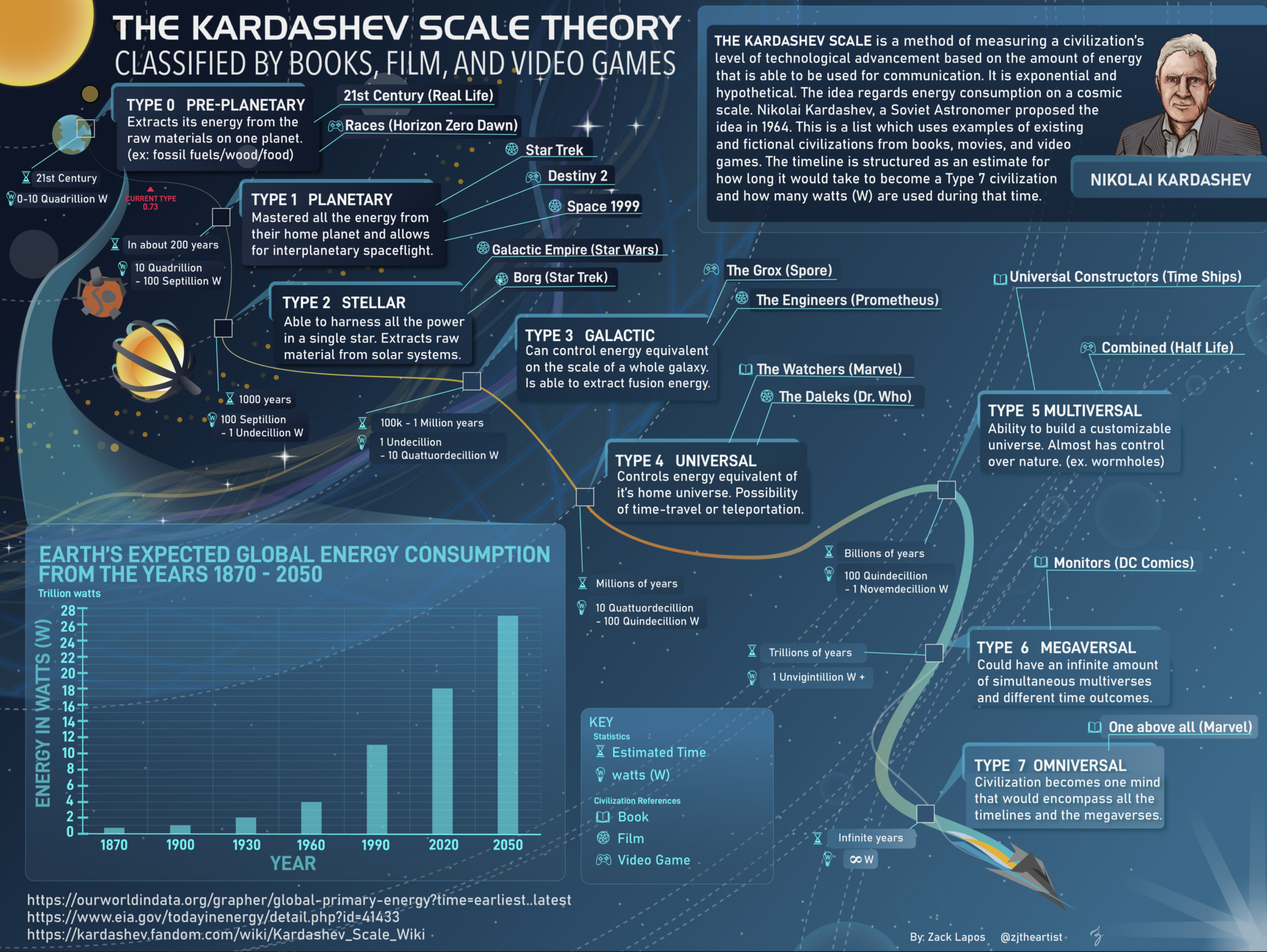
A stage where humanity uses AI, robots, energy systems, and governance structures to move toward cosmic expansion.
Perhaps one day we will even control black holes or manipulate spacetime itself.
Civilization is still not even Type 1 on the Kardashev scale.
But in thousands or tens of thousands of years, we may become something far beyond what we currently call “human.”
That may sound religious, but what I am saying is simple:
If we want humanity to live more easily and interestingly, then it may be more efficient to accept being managed by systems rather than constantly resisting them.

Not that I am saying “stop working tomorrow.”
You are still living in a system that protects you.
You are not being killed or attacked for sitting on the street.
This safety is a massive inheritance from previous generations.
It deserves respect.
So how should we live between generations?
My answer is this:
First—make excuses.
“I have no money.”
“I haven’t succeeded.”
“I have no friends.”
“I don’t fit into society.”
“I’m lonely.”
“I have no motivation.”
All of these can be excuses.
You already tried your best living within society’s rules.
And while you were doing that, AI and other humans advanced further than ever before.
That progress exists because generations of people worked, struggled, followed systems, and built technological civilization.
So when pressure comes from parents or society, use ChatGPT or any tool you want—make excuses.
Explain how much humanity has progressed.
Explain how your situation is not failure but part of a larger system evolution.
You don’t need to prove yourself using outdated value systems.
You can hold dignity simply by recognizing your existence within a larger cosmic framework.
You don’t need to achieve anything.
We are all just companions in the universe.
Even if you feel like Elon Musk or someone else, you can speak confidently and make excuses freely.
Both paths are valid:
Competing in the system and building something, or moving beyond it and redefining existence itself.
Both are outcomes of humanity’s evolution alongside AI and technology.
Of course, there are risks.
AI could go out of control. Power could become concentrated.
But I still believe humanity, across nations and cultures, ultimately wants survival and expansion into space.
No one truly wants endless cycles of violent empire-building anymore.
That is already becoming outdated.
Because AI exists.

This is the rambling of a 38-year-old Korean man living in New York, without money or children, who believes that sometimes you just need excuses to keep living.
I am the person who started a group called DIGIANA, and I hope it becomes a space where ideas like this can be casually shared—and perhaps, by chance, evolve into something that receives recognition or even value within some system.
That’s the kind of loose, uncertain hope I hold.
Written by Seungjin Lee, organizer of DigiAna
